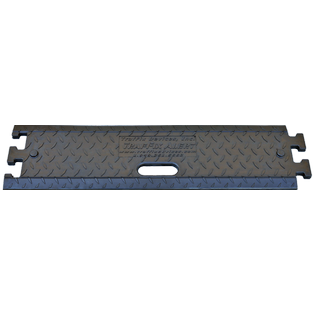
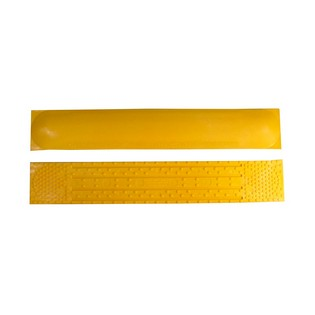
The first thing to know: what speed limit will my rumble strips need to be approved for? We have strips that are ...
Rumble Strips for Highways, Work Zones and Construction Sites
Rumble strips are textured road devices that generate audible and tactile warnings when a vehicle crosses them, alerting drivers to lane drift, speed changes, and construction hazards. Trans Supply stocks DOT-compliant rumble strips in temporary, portable, and permanent raised configurations for use on highways, shoulder lanes, centerlines, and active work zones. Our products meet MUTCD Part 6 requirements for temporary traffic control and are built to withstand heavy vehicle traffic and harsh weather. Browse our rumble strips for sale below, or contact our traffic safety team for volume pricing and project support.
Shop by Type
Temporary and Portable Rumble Strips
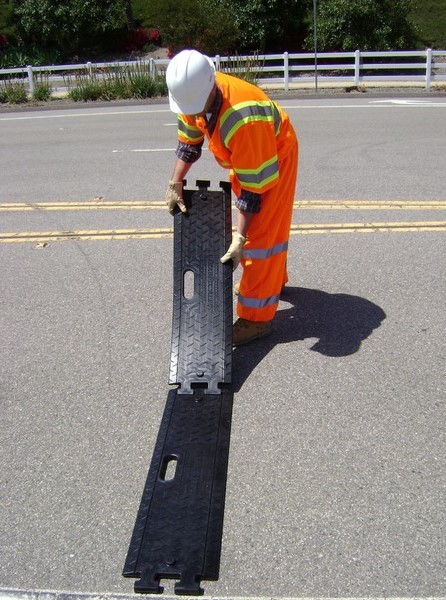
Temporary rumble strips are designed for short-term deployment in active construction and work zones where conditions change frequently. Portable rumble strips can be placed and removed without permanent installation, making them ideal for contractors managing shifting traffic patterns. Trans Supply carries portable rumble strip options rated for use in 35 mph and under speed zones, in compliance with MUTCD requirements for temporary traffic control devices.
Permanent Raised Rumble Strips
Permanent raised rumble strips are used on fixed roadways where long-term driver alerting is required. These are commonly installed on highway shoulders and centerlines to reduce lane departure incidents. Built from durable materials that withstand repeated vehicle contact and weather exposure, permanent raised strips require no ongoing maintenance once installed.
Transverse Rumble Strips for Speed Reduction
Transverse rumble strips run perpendicular to the direction of travel and are placed across the lane to alert drivers approaching a stop sign, intersection, school zone, or toll plaza. They are one of the most effective passive tools for speed reduction, encouraging drivers to slow down before reaching a change in traffic conditions.
What Are Rumble Strips Used For?
Work Zone and Construction Zone Safety
In active construction zones, rumble strips are placed at zone entrances to alert drivers of reduced-speed areas, reinforcing signage and protecting workers. Trans Supply carries temporary options that meet MUTCD Part 6 work zone standards.
Highway Shoulder and Centerline Alerting
Shoulder rumble strips alert drivers drifting off the travel lane before they leave the paved surface. Centerline rumble strips prevent head-on collisions on undivided roads. FHWA identifies both as proven safety countermeasures, reducing run-off-road crashes by up to 50 percent on rural two-lane highways.
Speed Reduction and Traffic Calming
Transverse rumble strips slow traffic before school zones, intersections, toll centers, and curves. Unlike speed bumps, their low profile allows use at higher speeds, making them suitable where traditional traffic calming devices are not appropriate.
Rumble Strip Materials and Specifications
Rubber Rumble Strips
Rubber rumble strips offer flexibility and durability for both temporary and permanent applications. Their composition allows them to flex under heavy vehicle loads while maintaining their profile, reducing wear over time. Rubber rumble strips are commonly used in construction zones where the device may need to be reused across multiple projects.
Plastic and Reflective Rumble Strips
Plastic rumble strips are lightweight and portable, making them easy to transport and deploy by small crews. High-visibility and retroreflective options are available for night and low-light work zone environments where enhanced visibility is required. Reflective rumble strips supplement signage by providing an active visual warning alongside the tactile and audible alert.
DOT and MUTCD Compliance
Trans Supply sources rumble strips from suppliers who produce products in conformance with FHWA and MUTCD requirements for traffic control devices. Temporary rumble strips for work zones must comply with MUTCD Part 6 standards. Permanent installations on state highways are subject to state DOT specifications that vary by jurisdiction. If you need project-specific compliance documentation, contact our team and we will connect you with the appropriate supplier data sheets and product certifications.
View our work traffic safety signs to complete your traffic control setup.
Frequently Asked Questions About Rumble Strips
What is the purpose of rumble strips?
Rumble strips are textured road features designed to alert drivers through vibration and sound when they drift from their intended lane or approach a hazard. When a vehicle's tires cross a rumble strip, the tires generate both an audible rumbling sound inside the vehicle and a tactile vibration through the steering wheel and seat. This dual-sensory alert is highly effective at waking fatigued drivers and capturing the attention of distracted drivers, reducing lane departure and run-off-road crashes without requiring any action from the driver.
Where Are Rumble Strips Typically Installed?
Rumble strips are installed on highway shoulders, road centerlines, and in transverse patterns across travel lanes. Shoulder strips alert drivers drifting toward the edge of the road. Centerline strips prevent head-on collisions on undivided two-lane roads. Transverse strips are placed perpendicular to travel at stop signs, school zones, toll plazas, and work zone entrances to encourage speed reduction. They are also used in construction zones as temporary traffic control devices at zone entry points.
What types of rumble strips are available?
The main types of rumble strips are shoulder (longitudinal), centerline (longitudinal), and transverse. Shoulder and centerline rumble strips run parallel to traffic to alert drifting drivers. Transverse rumble strips run across the lane to slow traffic before a change in conditions. Rumble strips are also categorized by installation method -- milled strips are cut directly into pavement, while raised strips are mounted on the surface and include temporary portable options that can be repositioned as needed.
What is the difference between temporary and permanent rumble strips?
Temporary rumble strips are surface-mounted devices placed on the road without any pavement modification. They can be deployed and removed quickly, making them appropriate for active construction zones with changing traffic patterns. Permanent rumble strips are either milled into the pavement or installed as durable raised devices intended for long-term use on fixed roadways. Temporary strips are the correct choice for any location where the road configuration will change or where the installation timeline is defined by a project.
How fast can vehicles drive over rumble strips?
The appropriate speed for driving over rumble strips depends on the type. Transverse rumble strips for work zone entrance and speed reduction are typically designed for speeds of 35 mph and below. Longitudinal shoulder and centerline rumble strips, which are driven over laterally rather than head-on, can be tolerated at highway speeds because contact is momentary and brief. Always confirm the speed rating of any product before deploying it at a specific site.
Are rumble strips bad for tires?
Properly designed rumble strips are not harmful to standard vehicle tires. The profile height and spacing of compliant rumble strips are engineered to produce an alert sensation without causing tire damage or loss of vehicle control. Bicycle riders can experience discomfort on shoulder rumble strips, which is why many jurisdictions require a gap in the strip pattern at locations with designated bicycle traffic. Rumble strips that meet MUTCD and FHWA design specifications are tested for use by the full spectrum of road vehicles including passenger cars, trucks, and emergency vehicles.
What is the difference between rumble strips and rumble stripes?
A rumble stripe combines the textured profile of a rumble strip with a pavement marking stripe applied directly on top of it. Rumble stripes serve the dual function of providing an audible-tactile alert and a high-visibility lane edge marking in a single installation. Standard rumble strips have no marking overlay. Rumble stripes are commonly used on highway shoulders where both lane delineation and driver alerting are required, offering a space-efficient alternative to separate marking and rumble strip installations.
Trans Supply: Your Source for Traffic Safety Products
Transportation Supply partners with a national network of DOT-compliant suppliers to provide contractors, municipalities, and developers with traffic safety products that meet project specifications and ship fast.
Browse our full selection of rumble strips for sale or contact our team for volume pricing, project quotes, and product guidance.
Related Articles: Rumble Strips

The Rundown on Rumble Strips

Tips on Getting Your Traffic Safety Equipment on Time
In this industry, planning ahead is not always an option and when you need something you usually need it ASAP ...
Key Aspects When Shopping for a Traffic Message Board
It’s important to try and not get lost in the details because it can get as technical as buying a car with these ...

5,000+ customers including...