
Top 5 Uses of VMS Boards in Municipal Projects
Municipalities are under constant pressure to improve safety, reduce congestion, and communicate clearly with the public—often with limited time and budget. That’s where VMS Boards (Variable Message Sign boards) shine. They give cities, counties, and agencies a fast, flexible way to display real-time guidance to drivers and pedestrians during routine operations and unexpected events.
Equally important for public-sector buyers: many municipal projects require devices that align with established standards. When specified and deployed correctly, VMS Boards can support compliance with MUTCD guidance and other applicable federal, state, and local regulations—helping agencies meet both safety goals and procurement requirements.
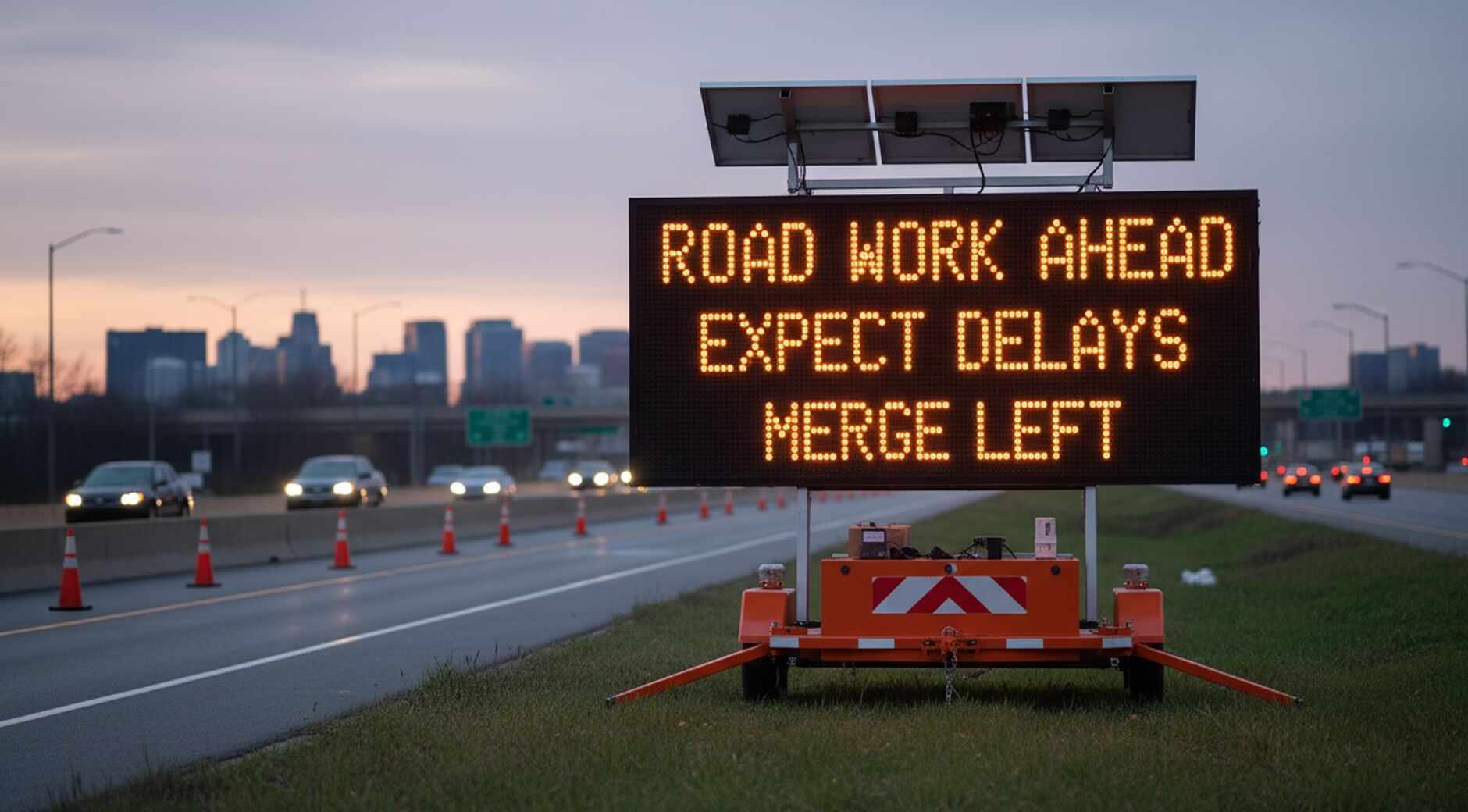
Top 5 Municipal Applications for VMS Boards
- Work Zones & Road Construction Traffic Control
- Construction schedules change, lanes close, detours shift, and crews move. VMS Boards help agencies post advance warning, lane closure notices, merge instructions, reduced-speed advisories, and detour messaging—without waiting on static sign fabrication.
- Why it matters: Clear, early messaging reduces sudden braking, risky lane changes, and confusion through work zones.
- Special Events & Downtown Traffic Management
- Parades, festivals, marathons, sporting events, and seasonal street closures create temporary traffic patterns that don’t fit standard signage. VMS Boards allow municipalities to direct traffic to approved routes, highlight no-parking enforcement windows, and guide attendees to designated parking areas.
- Bonus use: Agencies can rotate messages by time of day (setup, peak arrival, egress) for smoother event flow.
- Emergency Alerts, Severe Weather, and Incident Response
- During floods, wildfires, severe storms, hazardous material incidents, or major crashes, municipalities need rapid public messaging. VMS Boards support urgent advisories like “ROAD CLOSED AHEAD,” “USE ALT ROUTE,” “EVACUATION ROUTE,” or “SHELTER IN PLACE,” helping reduce exposure to danger and improving incident-area compliance.
- Operational advantage: Quick message changes help incident commanders adapt as conditions evolve.
- School Zones, Pedestrian Safety & Community Speed Messaging
- Cities can deploy VMS Boards near schools, crosswalks, parks, and high-pedestrian corridors to reinforce safety campaigns—especially during back-to-school periods or targeted enforcement initiatives. Messages like “SLOW DOWN,” “SCHOOL ZONE AHEAD,” or “PEDESTRIANS IN CROSSWALK” can be used alongside the correct permanent signage and markings.
- Result: Improved driver awareness in places where seconds matter.
- Airport and Transit Access Roads (and Other Intermodal Projects)
- Many municipal agencies also maintain access roads to airports, park-and-rides, and transit centers. VMS Boards can guide drivers during terminal road construction, curbside changes, shuttle reroutes, or parking capacity updates (“LOT FULL,” “USE GARAGE B”).
- Why this crossover is useful: The same fundamentals of traffic control—clear, consistent, timely messaging—apply to standard roadway networks and airport-adjacent infrastructure.
Compliance and Procurement Notes (MUTCD, local standards, and approved use)
Public agencies commonly require that temporary traffic control devices and their use align with MUTCD guidance, plus any state DOT MUTCD supplement, local ordinances, and the project’s Traffic Control Plan (TCP).
MUTCD Alignment (and State/Local Requirements):
- Consistency with MUTCD principles: MUTCD emphasizes uniformity, clarity, and driver comprehension. VMS messaging should be concise, legible, and placed where drivers have time to perceive and react—especially in work zones and higher-speed approaches.
- Project and state DOT requirements: Even within the US, requirements can vary by agency and state. Many bids reference state DOT standard plans, special provisions, and approved methods for temporary traffic control—so documentation and proper deployment matter.
- Procurement/submittal readiness: Municipal buyers often need cut sheets, product details, and submittal packages that match contract specs. Choosing boards marketed for regulated traffic-control environments helps speed approvals.
- Approved use in real deployments: Agencies typically want equipment that supports real-world TCP execution—easy message changes, reliable operation, and safe setup consistent with standard roadway work practices.
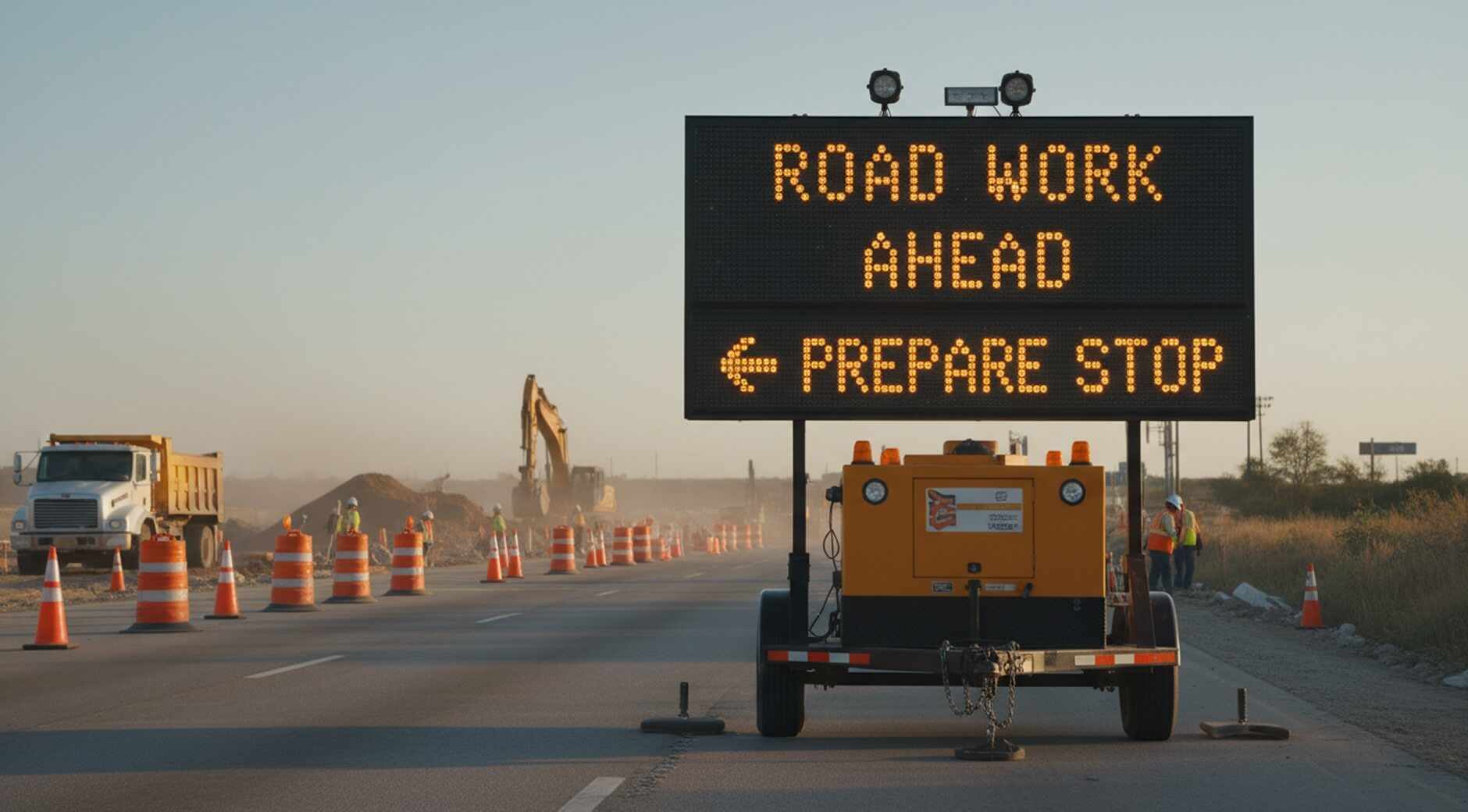
Ready to Specify MUTCD-Friendly VMS Boards for Your Next Municipal Project?
Whether you’re planning a work zone setup, managing event traffic, or preparing for emergency response, VMS Boards give municipalities a flexible way to communicate clearly in real time. Because many US projects reference the MUTCD, state DOT supplements, and project-specific Traffic Control Plans, choosing equipment built for regulated traffic-control environments can simplify submittals and help keep deployments consistent with agency requirements.
Browse our VMS Boards to compare options and request what you need for your next bid, purchase order, or deployment.
