
How to Start a Traffic Control Company: Everything You Need to Know
Starting a traffic control company is one of the smartest moves an entrepreneur can make right now. With infrastructure projects booming, road construction at an all-time high, and public events requiring professional safety management, the demand for qualified traffic control services has never been greater — and it’s only growing.
Whether you’re starting from scratch or expanding an existing contracting business, this guide breaks down exactly what you need to launch a successful traffic control company, from licensing and equipment to insurance and marketing. And if you’re ready to gear up, we’ve got everything you need at Trans-Supply.com.

Why Start a Traffic Control Business?
Traffic control is an essential service across many industries. Nearly every construction project, utility job, public event, and emergency road closure requires trained professionals and proper equipment to keep workers and the public safe.
Here’s why it’s a great business to get into:
- Steady, recurring demand – Construction and infrastructure work never really stops.
- Multiple revenue streams – You can offer flagging services, equipment rental, or both.
- Low barrier to entry – Compared to many industries, startup costs are manageable.
- Essential services = recession-resistant – Roads always need work, no matter the economy.
- Scalable – Start small with a few crew members and grow as contracts roll in.
If you’re looking for a niche that offers consistent work and real growth potential, traffic control checks every box.
What Do You Need to Start a Traffic Control Company?
1. A Solid Business Plan
Before you spend a dollar, put together a clear business plan. This doesn’t need to be a 50-page document — it just needs to answer the key questions that will guide your decisions.
Your business plan should cover:
- Services you’ll offer – Will you provide flagging crews, lane closures, full traffic management plans, or equipment rentals?
- Your target market – Think construction firms, municipalities, utility companies, and event organizers.
- Your pricing structure – Research what competitors charge in your area for both labor and equipment rental.
- How you’ll market yourself – We’ll cover this more below, but your strategy matters from day one.
A clear plan keeps you focused and gives you something to reference as your business grows.
2. Licenses, Permits, and Certifications
Every state has different requirements for traffic control businesses, so it’s important to do your homework locally. However, most markets require some combination of the following:
- State or local business license – The foundation of any legitimate business.
- DOT certifications for flaggers – In most states, flaggers must be trained and certified to work on public roadways.
- ATSSA or equivalent training – The American Traffic Safety Services Association offers nationally recognized training programs.
- Safety compliance training – OSHA standards apply to most job sites, and your crew needs to know them.
Check with your state’s Department of Transportation and local municipality to understand exactly what’s required in your area before you start bidding on jobs.
3. Invest in the Right Equipment
This is where a lot of new traffic control companies either set themselves up for success or struggle. Having the right equipment on hand means you can take on more jobs, respond faster, and look professional in front of clients.
Essential traffic control equipment includes:
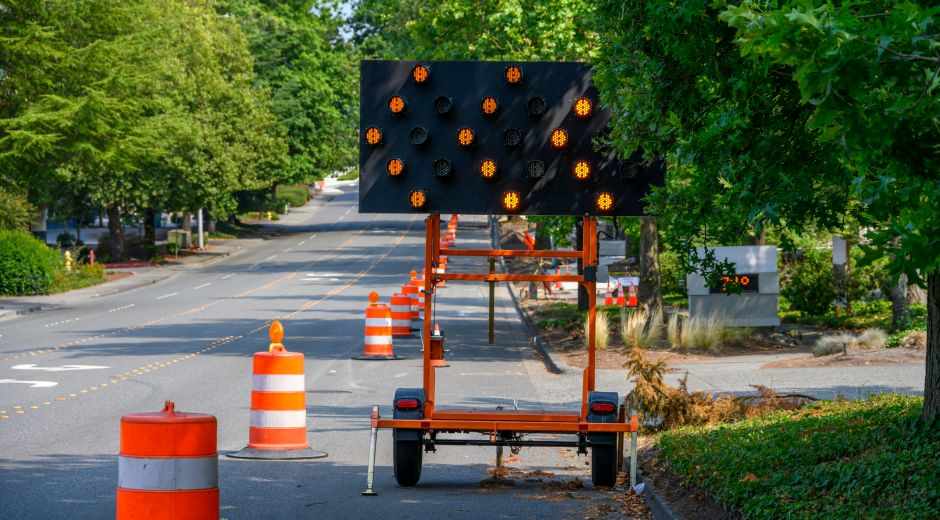
- Traffic cones – The backbone of any job site setup
- Barricades – Type I, II, and III for various closures
- Arrow boards – Directional signage for lane shifts and closures
- road signs – Road work ahead, flagger ahead, speed limit signs, and more
- High-visibility safety gear – ANSI-rated vests, hard hats, gloves
- Delineators – Posts, tubes, and reflective delineators
The good news? You don’t have to buy everything at once. Many traffic control companies start with the essentials and add to their inventory as they grow.
4. Should You Start a Traffic Control Rental Business?
Absolutely worth considering. A rental model can be a game-changer for your cash flow and long-term revenue.
Here’s why the rental angle works so well:
- Contractors and construction companies frequently need traffic control equipment for short-term projects and don’t want to buy and store it themselves.
- Event organizers need cones, barricades, and signage for one-time or seasonal events.
- Municipalities sometimes rent equipment for emergency closures or supplemental coverage.
If you purchase enough inventory upfront, you can rent out your equipment when it’s not in use by your own crews — essentially making your gear work for you around the clock.
To run a rental operation, you’ll need:
- Enough inventory to supply multiple jobs simultaneously
- A simple rental agreement or contract
- A system for tracking equipment (inventory software or even a spreadsheet to start)
- Delivery and pickup capability, or a pickup location for customers
Starting a rental business alongside your service business is one of the best ways to diversify your income and build a more resilient company.
5. Hire and Train Your Staff
Your crew is your reputation. Every person you send to a job site represents your brand, so training matters.
At minimum, your staff should be trained in:
- Flagging techniques – Proper paddle use, positioning, and communication
- OSHA safety standards – Job site safety is non-negotiable
- Traffic Management Plans (TMPs) – Reading and executing plans according to specs
- Emergency response protocols – What to do if something goes wrong
Many states require flaggers to carry a certification card, so budget for training before anyone steps onto a live roadway.
As your company grows, consider promoting reliable crew members into supervisory roles so you can take on multiple jobs at once without being on every site yourself.
6. Get the Right Insurance Coverage
Don’t skip this step. Traffic control work carries real risk — you’re operating in live traffic environments — and being underinsured could put your entire business at risk with one incident.
Key insurance policies for traffic control companies:
- General Liability Insurance – Protects against third-party injuries or property damage on your job sites.
- Commercial Auto Insurance – Covers your vehicles used to transport equipment and crews.
- Workers’ Compensation – Required in most states if you have employees. Covers medical costs and lost wages for injured workers.
- Commercial Property Insurance – Protects your office, storage facility, and owned assets.
- Equipment Insurance – Covers damage, loss, or theft of your traffic control gear.
Work with an insurance provider who understands the construction and traffic control space. They’ll be able to help you build the right package for your specific risk profile.
7. Market Your Traffic Control Business
You can have the best crew and the best equipment in the area, but if nobody knows you exist, you won’t land contracts. Marketing is a critical part of growing a traffic control company, especially in the early days.
Here’s how to start getting visibility:
- Network with construction companies and general contractors – These are your bread-and-butter clients. Attend local trade events, join your local AGC chapter, and introduce yourself to project managers.
- Contact municipalities and public works departments – Government contracts can be very steady work.
- Get listed on contractor directories – Sites like BuildZoom, Dodge Data, and local directories help clients find you.
- Build a professional website – Your website is your first impression. Make sure it clearly explains your services, service area, and how to contact you.
- Invest in SEO – When someone Googles “traffic control company near me” or “flagging services [your city],” you want to show up. Organic search traffic is some of the highest-quality traffic you can get.
- Use social media – Post job site photos, crew highlights, and equipment features. LinkedIn and Facebook are both useful for B2B outreach in this industry.
If you’re not sure where to start with marketing, working with a partner that understands the construction and contractor space can make a big difference.
What Does It Cost to Start a Traffic Control Company?
Startup costs will vary depending on your market, the services you offer, and how large you want to start. Here’s a rough breakdown:
| Expense | Estimated Cost |
| Business registration & licenses | $200 – $1,000 |
| DOT/ATSSA flagger certifications | $100 – $500 per employee |
| Initial equipment purchase | $5,000 – $30,000+ |
| Insurance (annual) | $3,000 – $10,000+ |
| Vehicle(s) | $10,000 – $50,000+ |
| Website & marketing | $500 – $5,000 |
Many entrepreneurs start lean — buying core equipment, using one or two trucks, and running a small crew — then reinvest profits to scale.
Where to Buy Traffic Control Equipment
Getting the right gear from a reliable supplier is one of the most important decisions you’ll make as you launch. You need equipment that’s durable, meets safety standards, and is priced competitively so you can stay profitable on every job.
Trans-Supply.com carries a full range of traffic control products to get your business up and running, including:
- Traffic cones and drums
- Barricades and channelizers
- Safety signs and arrow boards
- High-visibility safety apparel
- And much more
Final Thoughts
Starting a traffic control company is a real opportunity for the right entrepreneur. The demand is there, the path to entry is clear, and with the right equipment, training, and marketing, you can build a profitable, scalable business.
To recap, here’s what you need to get started:
- A clear business plan
- Proper licenses and certifications
- Quality traffic control equipment
- A trained, certified crew
- The right insurance coverage
- A marketing strategy that gets you in front of clients
The biggest mistake new traffic control companies make is waiting too long to get started. Take the first steps, invest in good equipment, build your reputation one job at a time, and the rest will follow.
Ready to get your business equipped?
Visit Trans-Supply.com to shop everything you need to launch your traffic control company today.
