
How Traffic Safety Products Keep Construction Zones Safe

Construction zones are among the most hazardous environments on public roadways. Reduced lanes, shifting traffic patterns, heavy machinery, and roadside crews all increase the risk of accidents. To minimize these risks, contractors must follow strict safety guidelines established by organizations such as Occupational Safety and Health Administration (OSHA), the Federal Highway Administration (FHWA), and standards outlined in the Manual on Uniform Traffic Control Devices (MUTCD). Traffic safety products are essential tools in meeting these compliance requirements while protecting both workers and the traveling public.
Regulatory Standards That Shape Work Zone Safety
Federal and state agencies establish clear requirements for how work zones must be designed and maintained. OSHA focuses on worker safety, including proper separation from live traffic and adequate illumination. The FHWA oversees roadway safety standards and enforces compliance with the MUTCD, which details specifications for signage, channelizing devices, barricade types, and reflective materials. Industry groups such as the American Traffic Safety Services Association (ATSSA) and the National Institute for Occupational Safety and Health (NIOSH) further support research, training, and best practices. Together, these organizations reinforce the importance of using compliant, high-visibility traffic control products.
One of the most widely used devices in any work zone are traffic cones. OSHA and FHWA guidelines emphasize the importance of clear channelization to separate vehicles from active work areas. Cones create tapers, guide traffic through temporary lane shifts, and define buffer zones. Their high-visibility color and reflective collars help ensure compliance with MUTCD standards for both daytime and nighttime operations. When deployed correctly, cones reduce driver confusion and improve reaction time.
For longer-term closures or higher-risk areas, barricades provide a more substantial physical and visual barrier. The MUTCD specifies different barricade types (Type I, II, and III) depending on the scope and duration of the project. These devices are commonly used to close roads, redirect traffic, or protect open excavations. By implementing the correct barricade configuration, contractors not only enhance safety but also align with federal and state transportation requirements.
Enhancing Visibility and Traffic Flow in Active Work Zones
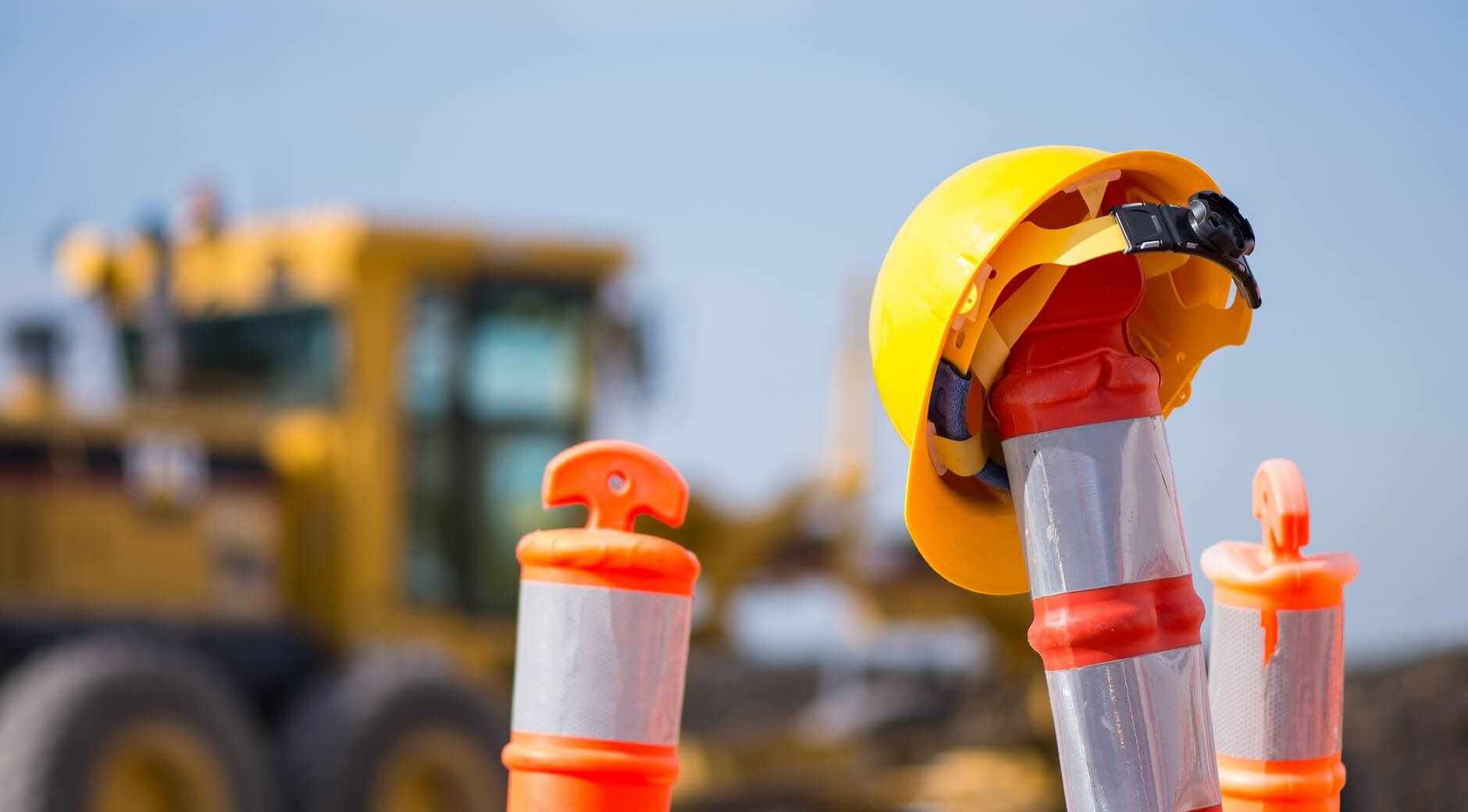
In areas where consistent visual guidance is necessary, especially along curves or narrow corridors, delineators offer added lane definition. These vertical channelizing devices help reinforce temporary traffic patterns and are particularly valuable in high-speed work zones. FHWA guidance highlights the importance of maintaining clear, continuous visual cues for drivers, which delineators effectively provide while remaining flexible enough to withstand minor impacts.
Lighting is another critical factor in work zone safety. OSHA requires adequate illumination for construction sites, particularly during nighttime operations. Portable light towers ensure that crews can work safely while also increasing visibility for approaching drivers. Proper lighting reduces accident risk, improves productivity, and supports compliance with both OSHA construction standards and broader highway safety recommendations.
Beyond federal agencies, industry organizations such as the American Traffic Safety Services Association (ATSSA) and the National Institute for Occupational Safety and Health (NIOSH) continue to promote research, training, and best practices in work zone safety. Together, these standards and guidelines reinforce the importance of using high-quality traffic control products that meet regulatory specifications.
Ultimately, traffic safety products serve a much greater role than simple traffic direction—they are foundational to regulatory compliance, risk reduction, and public trust. By investing in properly rated equipment and following OSHA, FHWA, and MUTCD guidance, contractors and municipalities can create safer, more efficient construction zones while protecting workers and drivers alike.
